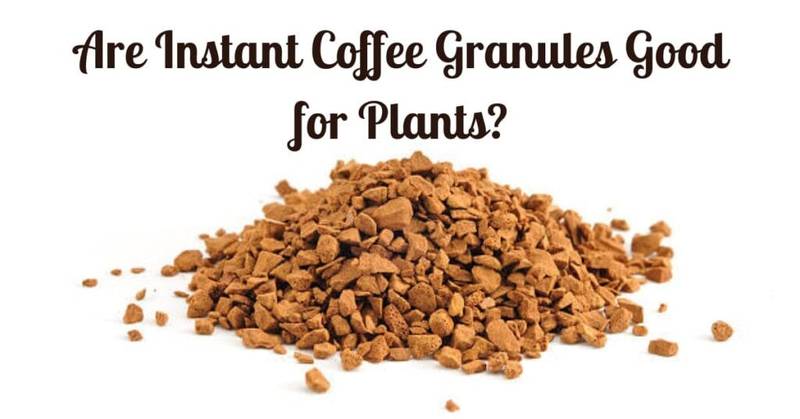
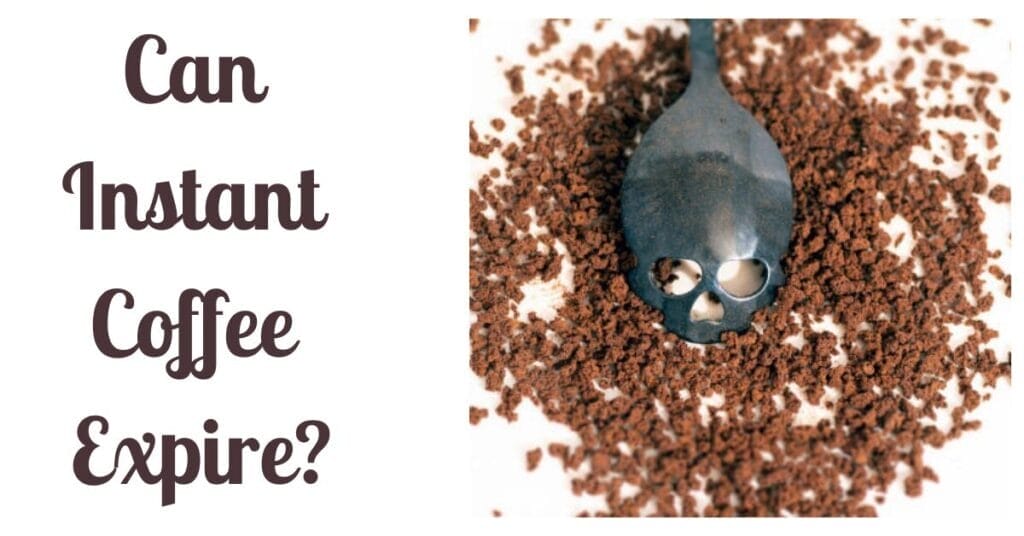
Instant coffee can be used as a mild fertilizer because of its nitrogen content, supporting leafy growth when applied sparingly. Made from dried brewed coffee extract, it dissolves quickly in water. For best results, use plain varieties and properly store coffee to maintain quality and avoid overuse to protect the soil.
As an affiliate site, we are associated with the amazon. We might receive a commission when you use links or recommendations on our website to make qualified purchases. The cost you pay for the goods or services is unaffected by this.
Table of Contents
Can Instant Coffee be used as Fertilizer? Why are Fertilizers important for plants?

Using instant coffee as fertilizer is a topic of debate among gardeners and experts. Can Instant Coffee Be Used as Fertilizer is often asked because it does contain small amounts of nutrients such as nitrogen, phosphorus, and potassium. However, its effectiveness remains limited when compared to traditional organic or synthetic fertilizers.
Nitrogen, present in coffee grounds, supports healthy leaf growth and overall plant vigor. However, instant coffee contains less nitrogen than fresh grounds, and its nutrients are not as readily available as those in fertilizers. Even so, instant coffee is commonly used as coffee for tiramisu, highlighting its versatility beyond gardening.
Moreover, instant coffee may alter the pH level of the soil, making it more acidic. While some plants thrive in acidic soil, others may suffer. Therefore, using instant coffee as fertilizer could potentially harm certain plant species if not used appropriately.
Furthermore, instant coffee often contains additives, such as sugar and preservatives, which may not be beneficial for plants and could even attract pests or encourage fungal growth in the soil.
Overall, while instant coffee can provide some nutrients to plants, its effectiveness as a fertilizer is limited. Can Instant Coffee Be Used as Fertilizer? It can be answered by using it in moderation and combining it with other organic fertilizers to maintain a balanced nutrient supply. Additionally, ensuring the instant coffee is free from additives and preservatives is essential to protect plant growth and long-term soil health.
Why is nitrogen important for plants?
Nitrogen is crucial for plant growth and development as it plays a vital role in several key processes. Firstly, nitrogen is a fundamental component of chlorophyll, the pigment responsible for photosynthesis, which is the process by which plants convert sunlight into energy.
This means that nitrogen is essential for the production of carbohydrates and ultimately supports overall plant growth. Can Instant Coffee Be Used as Fertilizer is relevant here, as instant coffee contains small amounts of nitrogen that can contribute to plant health.
Moreover, nitrogen is a building block for amino acids, the basic units of proteins, which are vital for enzyme activity, structural support, and defense mechanisms against pests and diseases.
The nitrogen content in instant coffee varies depending on factors such as the type of coffee beans used and the processing methods. Generally, instant coffee contains approximately 1-2% nitrogen by weight. However, it’s important to note that this nitrogen is not readily available for plants to absorb.
Unlike synthetic or organic fertilizers, which contain nitrogen in forms that plants can easily take up, the nitrogen in instant coffee needs to undergo decomposition by soil microorganisms before it becomes accessible to plants.
Therefore, while instant coffee can contribute some nitrogen to the soil over time, its effectiveness as a primary nitrogen source is limited compared to other fertilizers. It is best used as a supplemental amendment alongside balanced nutrients. Gardeners who prefer less caffeine products may also choose instant coffee for its milder composition and lower overall impact on soil.
Why is phosphorus important for plants?
Phosphorus is another essential nutrient for plant growth and development. It plays a critical role in various biological processes, particularly in energy transfer and storage within plants.
Phosphorus is a key component of adenosine triphosphate (ATP), which is the primary energy carrier in cells. This means that phosphorus is essential for photosynthesis, respiration, and other metabolic processes that drive plant growth.
Additionally, phosphorus is a structural component of DNA, RNA, and various enzymes involved in cellular processes. It contributes to root development, flowering, fruiting, and overall plant vigor. The phosphorus content in instant coffee is relatively low compared to its nitrogen content. Instant coffee typically contains around 0.05-0.1% phosphorus by weight.
While this phosphorus content may contribute to the overall nutrient profile of the soil when instant coffee is used as fertilizer, Can Instant Coffee Be Used as Fertilizer is still limited in its ability to provide essential phosphorus. It is not a significant source compared to other organic or synthetic fertilizers specifically formulated to supply phosphorus for optimal plant growth.
Therefore, while instant coffee can add small amounts of phosphorus to the soil, its primary benefit lies in its nitrogen content. For adequate phosphorus supply, it’s essential to supplement with other phosphorus-rich fertilizers or organic amendments to meet the needs of plants for optimal growth and development.
How much Potassium is present in Instant Coffee?
Potassium is a vital nutrient for plant health and growth. It plays a crucial role in various physiological processes, including enzyme activation, osmoregulation, and the regulation of stomatal opening and closing.
Potassium is essential for maintaining plant turgor pressure, necessary for cell expansion and overall plant structure. Can Instant Coffee Be Used as Fertilizer plays a minor role here, as it contains small amounts of potassium, but it is not a primary source. Potassium also improves water-use efficiency, helping plants become more tolerant to drought stress.
Furthermore, potassium enhances plant resistance to diseases and pests and improves the quality and shelf life of harvested crops. Can Instant Coffee Be Used as Fertilizer can provide a small potassium boost, but it should not replace primary potassium sources. Potassium is especially important during flowering and fruiting stages, promoting flower formation, fruit development, and ripening.
The potassium content of instant coffee is relatively low compared to its nitrogen and phosphorus content. Instant coffee typically contains around 0.1-0.2% potassium by weight.
While this potassium content may contribute to the overall nutrient profile of the soil when instant coffee is used as fertilizer, Can Instant Coffee Be Used as Fertilizer still provides only a minor amount. It is not a significant source of potassium compared to other fertilizers or organic materials specifically formulated to supply potassium for optimal plant growth.
Therefore, while instant coffee can add some potassium to the soil, Can Instant Coffee Be Used as Fertilizer shows that its primary benefit lies in its nitrogen content. To ensure an adequate potassium supply, it is essential to supplement with other potassium-rich fertilizers or organic amendments to meet plants’ needs for optimal growth and development.
Nutrients are present in Instant Coffee
In addition to nitrogen, phosphorus, and potassium, instant coffee contains other nutrients that can benefit plants to some extent. These include micronutrients such as calcium and magnesium, and various trace elements like iron, manganese, zinc, and copper.
While these nutrients are present in smaller quantities compared to nitrogen, phosphorus, and potassium, they still play essential roles in plant growth and development.
Calcium, for example, is crucial for cell wall structure and integrity, as well as for regulating cellular processes. Magnesium is a central component of chlorophyll molecules and is essential for photosynthesis. Iron is necessary for chlorophyll synthesis and enzyme activity.
At the same time, manganese, zinc, and copper are involved in various metabolic processes, including enzyme activation and electron transport.
Although the concentrations of these micronutrients in instant coffee are relatively low, they can still contribute to the soil’s overall nutrient profile when used occasionally. However, instant coffee should not be relied upon as the sole source for correcting deficiencies, particularly for sensitive plants that require a less acidic growing environment.
Supplementing with additional micronutrient-rich fertilizers or organic amendments may be necessary to ensure optimal plant health and growth.
What is a Fertilizer for plants?

A fertilizer for plants is a substance or mixture of substances applied to soil or plant tissues to supply essential nutrients that promote healthy growth and development. These nutrients include nitrogen, phosphorus, potassium, and various micronutrients like calcium, magnesium, and trace elements.
Fertilizers can be either organic or synthetic and are designed to enhance soil fertility, improve plant vigor, increase crop yields, and enhance the overall quality of harvested produce.
They can come in various forms, including granules, powders, liquids, and organic materials such as compost or manure. Proper application of fertilizers is essential to ensure plants receive the necessary nutrients in the right amounts for optimal growth without causing harm to the environment.
Fertilizers are important for plants because they provide essential nutrients that are necessary for healthy growth and development. These nutrients include nitrogen, phosphorus, potassium, and various micronutrients like calcium, magnesium, and trace elements.
Fertilizers replenish nutrients in the soil that may be depleted over time due to plant uptake, leaching, or soil erosion.
By supplying these nutrients, fertilizers help plants to:
- Promote Growth: Nutrients like nitrogen are vital for the formation of proteins and chlorophyll, which are essential for photosynthesis and overall plant growth.
- Enhance Yield: Adequate nutrient supply from fertilizers can increase crop yields by ensuring plants have the resources they need to produce more flowers, fruits, or grains.
- Improve Quality: Fertilizers can improve the quality of harvested produce by enhancing traits such as color, flavor, and nutritional content.
- Boost Resistance: Plants that receive sufficient nutrients are better equipped to resist diseases, pests, and environmental stresses like drought or extreme temperatures.
- Support Reproduction: Nutrients like phosphorus are crucial for flower formation and fruit development, ensuring successful reproduction in plants.
Overall, fertilizers play a critical role in maintaining soil fertility and ensuring the productivity and health of plants, which is essential for sustaining agricultural production and meeting the food demands of growing populations.
Best Fertilizers for Plants
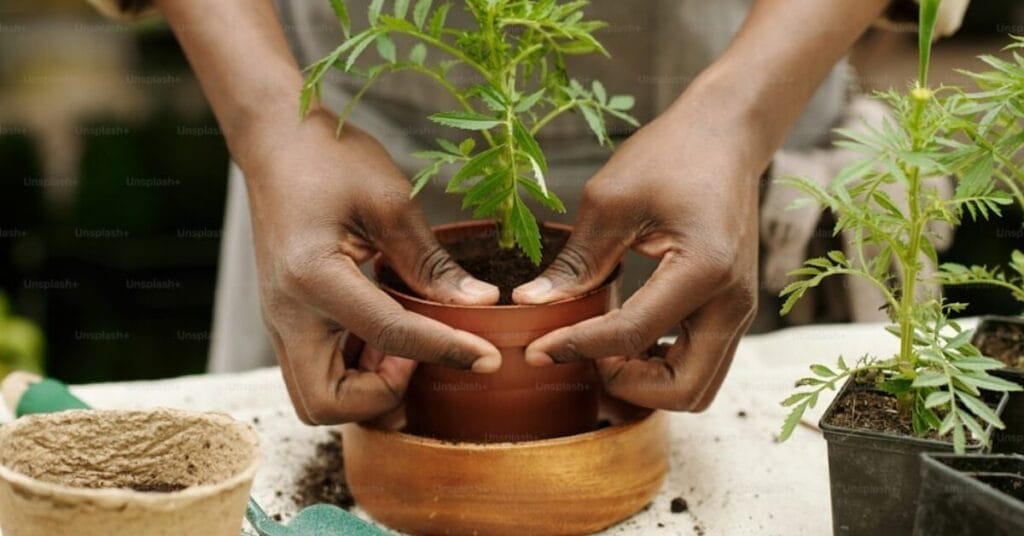
The best fertilizers for plants depend on various factors, including the specific needs of the plants, soil conditions, and environmental considerations. However, some commonly used and effective types of fertilizers include:
- Complete NPK Fertilizers: These fertilizers contain a balanced combination of nitrogen (N), phosphorus (P), and potassium (K), along with other essential nutrients. They are suitable for promoting overall plant growth and development.
- Slow-Release Fertilizers: These fertilizers release nutrients gradually over time, providing a steady supply to plants and reducing the risk of nutrient leaching or runoff. Slow-release fertilizers are particularly useful for long-term nutrient management.
- Liquid Fertilizers: Liquid fertilizers are quickly absorbed by plants and can be applied directly to foliage or soil. They are convenient for foliar feeding or for providing an immediate nutrient boost to plants.
- Specialized Fertilizers: Some plants have specific nutrient requirements that may not be met by general-purpose fertilizers. Specialized fertilizers tailored to the needs of particular plants, such as acid-loving plants or those with high phosphorus requirements, can be beneficial.
- Microbial Fertilizers: These fertilizers contain beneficial microorganisms that help improve nutrient availability, enhance soil fertility, and promote plant growth.
Ultimately, the best fertilizer for plants is one that meets their specific nutrient requirements, improves soil health, and is applied according to recommended rates and timing. It’s essential to consider factors such as plant type, soil pH, nutrient deficiencies, and environmental conditions when selecting and applying fertilizers for optimal plant growth and productivity.
FAQS || Can Instant Coffee be used as Fertilizer
How much Nitrogen is in Coffee?
Coffee contains about 2 percent nitrogen, 0.06 percent phosphorus, and 0.6 percent potassium by volume. Additionally, it contains various micronutrients such as calcium, magnesium, boron, copper, iron, and zinc.
Are Potato peels good for plants?
Potato peels can easily be turned into garden fertilizer. Peel your potatoes and collect the peels in a jar. Fill the jar with water until the peels are submerged, and let it sit for 3-7 days to create a nutrient-rich solution for your plants.
Are Tea bags good for plants?
Tea bags are useful fertilizers for plants due to their tannic acid content, which boosts nitrogen levels. This makes them beneficial for various plants, such as roses and potted plants. Simply spread or mix the steeped tea leaves into the soil for the best results.
Which plants like to use Coffee grounds?
Certain plants thrive when surrounded by used coffee grounds. Acidic-loving varieties like azaleas, blueberries, hydrangeas, rhododendrons, and roses, as well as some vegetables like carrots, cucumbers, peppers, potatoes, and radishes, can all benefit from this natural boost.
Bottom Line
In conclusion, instant coffee can serve as a supportive fertilizer due to its nitrogen content, helping improve plant growth and foliage when applied carefully. Moderation is essential to prevent soil imbalances. Choosing organic, additive-free instant coffee is recommended, and always check the expiration date to ensure freshness and effectiveness before using it in your garden.