To clean a metal coffee filter, disassemble and rinse under hot water to remove coffee grounds. Soak in warm soapy water or vinegar for stubborn residue, then scrub and air dry. Choosing the correct coffee filter size ensures proper fit, optimal extraction, and a flavorful, robust brew every time.
As an affiliate site, we are associated with the amazon. We might receive a commission when you use links or recommendations on our website to make qualified purchases. The cost you pay for the goods or services is unaffected by this.
Table of Contents
How to clean a Metal Coffee filter: Step-by-Step Process

Cleaning a metal coffee filter is crucial for maintaining its performance and ensuring a delicious cup of coffee every time. Here’s a step-by-step guide to cleaning your metal coffee filter:
- Disassemble (if applicable): Start by separating the components if your metal coffee filter is designed to be disassembled, such as a two-piece filter with a mesh basket and a holder.
- Rinse with Hot Water: Rinse the metal coffee filter under hot running water. This will help remove any loose coffee grounds and oils from the filter.
- Soak in Warm, Soapy Water: Fill a sink or basin with warm water and add mild dish soap. Submerge the metal coffee filter in the soapy water and let it soak for 10-15 minutes.
- Scrub Gently: After soaking, use a soft brush, sponge, or cloth to gently scrub the metal coffee filter, paying attention to any areas with buildup or trapped grounds. Be careful not to scrub too vigorously, especially if the filter is made of delicate mesh.
- Rinse Thoroughly: Once scrubbed, rinse the metal coffee filter thoroughly under hot running water to remove any soap residue and remaining coffee grounds.
- Optional Vinegar Soak: For particularly stubborn residue or mineral deposits, you can soak the metal coffee filter in equal parts water and white vinegar for an hour. This can help dissolve buildup and restore the filter’s cleanliness.
- Air Dry: Allow the metal coffee filter to air dry completely before reassembling it or storing it away. Ensure that it’s fully dry to prevent any mould or mildew growth.
- Reassemble (if applicable) and Store: Once dry, reassemble the metal coffee filter if it was disassembled, and store it in a clean, dry place until its next use.
Following these steps regularly lets you keep your metal coffee filter clean and in top condition, ensuring optimal brewing results with each use.
What is a clogged Metal Coffee filter?
A clogged metal coffee filter occurs when coffee grounds, oils, and residue build up over time due to repeated use or insufficient cleaning. This obstruction slows water flow, leading to weak extraction and less flavorful coffee. Regularly using a wet coffee filter before brewing can help reduce clogging and ensure a smoother pour.
Several factors can contribute to the clogging of a metal coffee filter, including:
- Fine Grounds: Finely ground coffee particles can easily get trapped in the small holes or mesh of the filter, gradually building up and leading to clogging.
- Oily Coffee Beans: Some coffee beans naturally contain oils that can coat the surface of the filter mesh, attracting coffee grounds and contributing to clogging over time.
- Improper Cleaning: Failure to clean the metal coffee filter regularly and thoroughly can result in the accumulation of coffee oils, residue, and grounds, eventually leading to clogging.
- Hard Water Deposits: If your brewing water contains high mineral content (hard water), minerals such as calcium and magnesium can deposit on the filter mesh, exacerbating clogging issues.
The consequences of a clogged metal coffee filter include slower brewing, reduced efficiency, and diminished coffee flavour. To prevent this, clean your filter regularly by rinsing, soaking, and gently scrubbing. Using coarser ground coffee and avoiding oily beans also helps minimise clogging, ensuring your metal coffee filter consistently produces flavorful brews.
How to clean a clogged stainless Steel Coffee filter?
To clean a clogged stainless steel coffee filter:
- Disassemble (if applicable): Separate the filter from its holder or other components.
- Rinse: Rinse the filter under hot running water to remove loose grounds and debris.
- Soak in Vinegar Solution: Prepare a solution of equal parts water and white vinegar. Submerge the filter in the solution and let it soak for 30 minutes to an hour to dissolve stubborn residue and mineral deposits.
- Scrub: Use a soft brush, sponge, or cloth to gently scrub the filter, paying attention to areas with heavy buildup.
- Rinse Thoroughly: Rinse the filter under hot running water to remove any vinegar solution and loosened debris.
- Inspect and Repeat: Check the filter for any remaining clogs or buildup. Repeat the soaking and scrubbing process until the filter is thoroughly clean.
- Air Dry: Allow the filter to air dry completely before reassembling it or storing it away. Ensure it’s completely dry to prevent mould or mildew growth.
Regular cleaning and maintenance help prevent clogs and ensure optimal stainless steel coffee filter performance.
Understanding Reusable Coffee Filters
Reusable coffee filters offer a sustainable alternative to disposable paper filters, providing several features and benefits.
- Material and Construction: Reusable filters are made from stainless steel, mesh, or cloth. Stainless steel filters are durable and long-lasting, while mesh filters offer fine filtration. Cloth filters provide a unique brewing experience, allowing oils to pass through for a richer cup.
- Environmentally Friendly: One of the key features of reusable filters is their eco-friendliness. By eliminating the need for single-use paper filters, they reduce waste and contribute to a greener coffee brewing process.
- Cost-Effectiveness: While reusable filters may have a higher upfront cost than disposable filters, they offer long-term savings since they can be used repeatedly without replacement.
- Customizable Brewing: Reusable filters allow users to customise their brewing process by adjusting grind size, water temperature, and brewing time. This flexibility can lead to a more personalised and flavorful cup of coffee.
- Variety of Types: Reusable filters come in various types to suit different brewing methods. Common types include cone-shaped filters for pour-over brewing, disk-shaped filters for Aeropress, and basket filters for drip coffee makers.
- Easy to Clean: Most reusable filters are dishwasher-safe or easily cleaned with hot water and mild soap. Regular cleaning is essential to maintain the filter’s performance and longevity.
- Quality of Brew: Reusable filters often allow more oils and small coffee particles to pass through than paper filters, resulting in a fuller-bodied and more aromatic cup of coffee. However, the quality of the brew can vary depending on the type and quality of the filter material.
- Compatibility: It’s essential to ensure that the reusable filter is compatible with your brewing equipment. Different sizes and shapes are available to fit various coffee makers and brewing methods.
In summary, reusable coffee filters offer a sustainable, cost-effective, customizable brewing solution. With their durability, eco-friendliness, and ability to enhance the quality of the brew, they are becoming increasingly popular among coffee enthusiasts worldwide.
What is a Metal Coffee filter?
A metal coffee filter is a brewing accessory made of metal mesh or perforated metal designed to replace paper filters in coffee-making processes. It’s typically cone-shaped or disk-shaped and fits into a coffee maker or dripper.
The filter allows water to flow through while trapping coffee grounds, producing a flavorful cup of coffee. Metal filters are reusable, eco-friendly alternatives to disposable paper filters. By using freshly boil water, these filters allow natural oils and fine particles to pass through, creating a richer, fuller-bodied brew.
Why is it important to clean a Metal Coffee filter?
Cleaning a metal coffee filter is important for several reasons. Firstly, it helps maintain the quality and taste of your coffee. Residue from previous brews can accumulate on the filter, affecting the flavour of subsequent cups. Cleaning removes this buildup, ensuring each brew is fresh and flavorful.
Secondly, regular cleaning prevents the growth of bacteria and mould. Coffee grounds left in the filter can become a breeding ground for harmful microorganisms if not cleaned properly. Using a filtered cleaning method ensures contaminants are removed, promoting a hygienic and safe brewing environment for every cup of coffee.
Furthermore, cleaning extends the lifespan of the metal filter. Accumulated residue can clog the filter pores, reducing its effectiveness over time. By cleaning regularly, you ensure optimal performance and longevity of your coffee filter, saving money in the long run.
Cleaning a metal coffee filter is essential for preserving taste, promoting hygiene, and maximising durability.
Clean the Coffee Filter Basket in a Coffee Maker
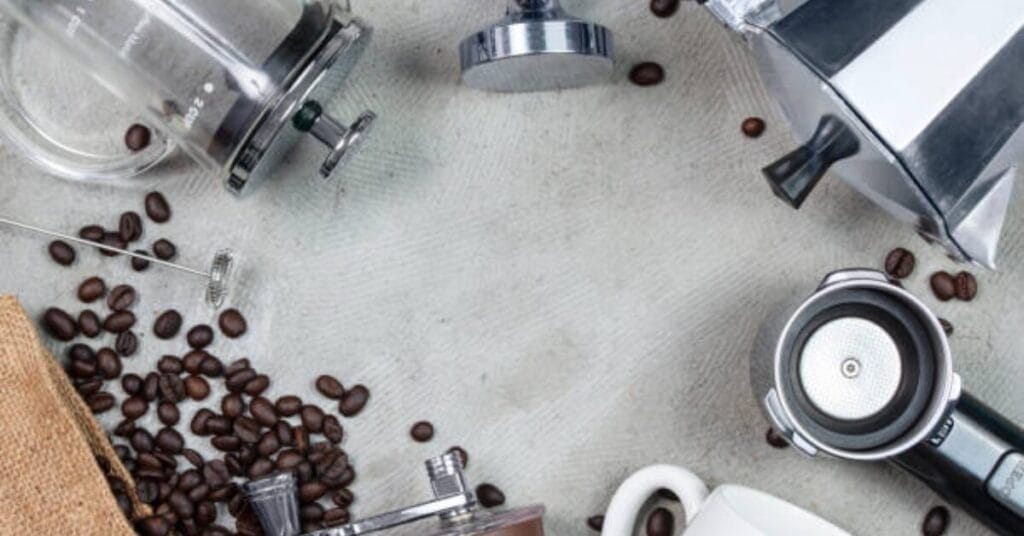
Cleaning the coffee filter basket in a coffee maker is essential for maintaining the quality of your brew and ensuring the longevity of your machine. Here’s a step-by-step guide:
- Turn Off and Unplug the Coffee Maker: Safety first. Make sure the coffee maker is turned off and unplugged before starting the cleaning process.
- Remove the Filter Basket: Depending on your coffee maker model, the filter basket may lift out or be detachable. Remove the filter basket from the coffee maker and empty any remaining coffee grounds into the trash.
- Rinse with Hot Water: Rinse the filter basket under hot running water to remove loose coffee grounds and oils.
- Soak in Warm, Soapy Water: Fill your sink or basin with warm water and add a mild dish soap. Submerge the filter basket in the soapy water and let it soak for 10-15 minutes. This will help loosen any remaining oils and residue.
- Scrub Gently: After soaking, gently scrub the filter basket with a soft brush or sponge, paying attention to any crevices or hard-to-reach areas. Avoid using abrasive cleaners or scrubbing pads, which may damage the filter basket.
- Rinse Thoroughly: Once scrubbed, rinse the filter basket thoroughly under hot running water to remove any soap residue.
- Air Dry: Allow the filter basket to air dry completely before reassembling it into the coffee maker. Ensure it’s completely dry to prevent moisture from affecting your next brew’s flavour.
- Reassemble and Use: Once dry, reassemble the filter basket into the coffee maker, ensuring it’s securely in place. Now, your coffee maker is ready for the next brewing cycle.
By following these steps regularly, you can keep your coffee filter basket clean, ensuring a delicious and flavorful cup of coffee every time you brew.
How often should I clean my Reusable Filter?

The frequency of cleaning your reusable coffee filter depends on how often you use it and the type of coffee you brew. As a general guideline:
- Daily Use: If you use your reusable filter daily, it’s advisable to rinse it thoroughly after each use to remove coffee grounds and oils. This helps prevent residue buildup and maintains the filter’s performance.
- Weekly Deep Cleaning: It’s recommended to give your reusable filter a more thorough cleaning once a week or every few uses. This involves soaking the filter in a solution of warm water and mild detergent for a few minutes, then gently scrubbing with a soft brush or sponge to remove any stubborn residue. Rinse thoroughly afterwards to ensure no soap residue remains.
- Monthly Maintenance: Additionally, consider performing monthly maintenance to keep your reusable filter in optimal condition. This may involve soaking the filter in water and white vinegar to dissolve mineral deposits or using a specialised coffee equipment cleaning solution.
- Visual Inspection: Regardless of frequency, it’s essential to visually inspect your reusable filter regularly for signs of wear, tear, or damage. Suppose you notice any deterioration, such as holes or fraying in cloth filters or corrosion in metal filters. In that case, it’s time to replace the filter to maintain the quality of your coffee.
By incorporating these cleaning practices into your routine, you can ensure that your reusable filter continues to deliver delicious, flavorful coffee while prolonging its lifespan.
Are all Filters Dishwasher safe?
Not all coffee filters are dishwasher-safe. While some reusable filters, such as stainless steel or certain plastics, can handle dishwasher cleaning, others may not. Cloth filters, for example, are usually unsuitable, as harsh detergents and high temperatures can damage the fabric and prevent coffee grounds from properly dissolve in water during brewing.
It’s essential to check the manufacturer’s instructions or packaging to determine whether a coffee filter is dishwasher safe. If unsure, it’s best to err on caution and hand-wash the filter using hot water and mild detergent to preserve its integrity and performance.
Regular cleaning, whether by hand or dishwasher, is crucial to maintain the quality of the filter and ensure a delicious cup of coffee with each use.
FAQS || How to clean Metal Coffee filter
How do you get Coffee stains out of a Metal filter?
To remove coffee stains from a metal filter, soak it in a mixture of equal parts distilled white vinegar and warm water. It’s best to leave it overnight, but even a few hours can help lift stubborn residue and stains.
How long does a Metal Coffee filter last?
Metal coffee filters can last a lifetime if cared for properly. While they may initially cost more than paper filters, their longevity makes them a cost-effective option in the long run.
Are Metal Coffee filters healthy?
The healthier option between paper and metal coffee filters is a matter of debate among experts. According to some medical professionals, paper filters are believed to reduce the amount of cafestol, a coffee oil linked to higher cholesterol levels, making them potentially healthier than metal filters.
Are Metal filters reusable?
Metal filters are indeed reusable and washable. Made of stainless steel, they allow coffee oils to pass through while keeping the grounds for a richer brew. This eliminates the need for filter papers, and cleaning is as simple as rinsing them under running water.
Conclusion
In conclusion, maintaining a clean metal coffee filter is crucial for ensuring the quality and taste of your brews. Regular cleaning prevents residue buildup, always promoting a fresher and more flavorful cup. Additionally, it safeguards against bacterial growth, ensuring a hygienic brewing environment.
By incorporating simple cleaning routines into your coffee-making process, you prolong the lifespan of your filter, maximising its performance and value. Proper maintenance not only enhances your coffee experience but also allows you to change coffee filter less frequently, supporting sustainability and reducing reliance on disposable options.
Metal filters feature tiny perforations that permit water to flow through the coffee grounds while preventing larger particles from entering the brewed coffee. Due to their larger openings than paper filters, metal filters allow more coffee oils and fine grounds to pass through, resulting in a robust and intense flavour profile.